

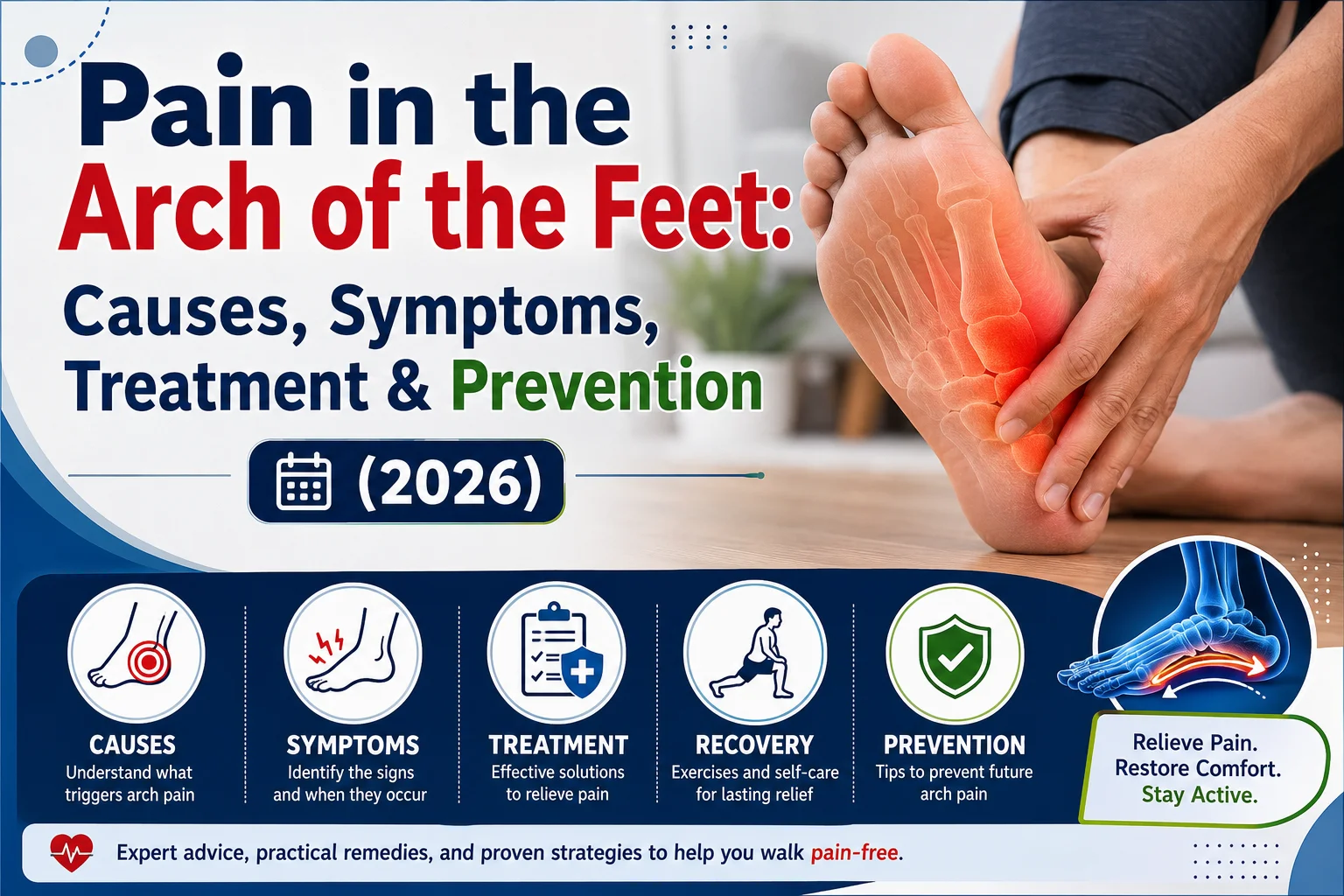
Pain in the arch of the feet You step out of bed in the morning, swing your legs over the frame, set your feet on the floor, and take that first step toward the bathroom. Immediately, a sharp, searing ache shoots right through the bottom of your foot. You try to walk it off, but every step feels like you are treading on a hard golf ball or a pulled guitar string. If this scenario sounds familiar, you are dealing with pain in the arch of the feet.
Having dealt with stubborn foot issues myself during months of marathon training—and having talked to dozens of nurses, runners, and retail workers who spend eight hours a day on hard concrete—I can tell you one thing: foot pain changes everything. It ruins your mood, cancels your workouts, and turns simple errands into an exercise in endurance.
The arch is the mechanical engine of your foot. It absorbs shock every time your heel hits the ground, distributes your body weight as you roll forward, and adapts to uneven surfaces. When something goes wrong in this delicate structure of ligaments, tendons, and bones, the whole system grinds to a halt. In this practical guide, we will break down what causes this issue, how to find relief at home, when to see a specialist, and how to keep it from coming back.
What Causes Pain in the Arch of the Feet?
The human foot is a masterwork of engineering, containing 26 bones, 33 joints, and over a hundred muscles, tendons, and ligaments. The arch itself is held together primarily by a thick band of tissue on the bottom of the foot and supported by muscles in your lower leg. Because so many structural components converge in this tiny space, pinpointing the cause of pain in the arch of the feet requires looking at a few primary suspects.
       +-------------------------------------------------------+
       |             COMMON CAUSES OF ARCH PAIN                |
       +-------------------------------------------------------+
       |  Plantar Fasciitis       -> Inflammation of tissue    |
       |  Posterior Tibial Tendon -> Breakdown of arch support |
       |  Flat Feet / High Arches -> Structural stress         |
       |  Stress Fractures        -> Overuse micro-cracks      |
       +-------------------------------------------------------+
Plantar Fasciitis
Plantar fasciitis is one of the common causes of pain in the arch of the feet. The plantar fascia is a tough, fibrous band of connective tissue that stretches from your heel bone to the base of your toes. Its job is to act like a bowstring, maintaining the tension that forms your foot’s arch.
When this band is exposed to repetitive stress, such as sudden increases in walking distance or prolonged standing, irritation and tissue stress can develop. This leads to localized inflammation, stiffness, and severe discomfort, particularly along the inner side of the arch near the heel.
Posterior Tibial Tendon Dysfunction (PTTD)
Another frequent cause, though less widely discussed than plantar fasciitis, is trouble with the posterior tibial tendon. This tendon originates in your calf muscle, travels down the inside of your ankle, and attaches to several bones in the middle of your foot. It is the primary dynamic stabilizer of your arch.
If this tendon becomes overloaded, stretched, or inflamed, it loses its ability to hold up the arch. Over time, you might notice pain in the arch of the feet accompanied by a gradual flattening of the foot—a condition sometimes called acquired flatfoot. If you feel pain along the inside of your ankle and arch when raising up onto your tiptoes, this tendon could be the reason.
Structural Foot Mechanics: Flat Feet vs. High Arches
Your natural foot anatomy plays a massive role in how forces are distributed across your soles. Neither extreme is inherently bad, but both require special attention:
- Flat Feet (Overpronation): When your arches collapse or sit very low, the foot rolls inward as you stride. This puts excessive tension on the plantar fascia and tibial tendon, creating a persistent, dull ache across the bottom of the foot.
- High Arches (Supination): High, rigid arches do not flex or absorb shock well. Instead of dispersing impact forces across the whole foot, shock gets concentrated in the heel and the ball of the foot, sending stress reverberating through the middle of the arch.
Stress Fractures and Midfoot Strain
If your discomfort started abruptly after a heavy workout or an intense weekend of yard work, you might be dealing with midfoot strain or even a stress fracture in the tarsal or metatarsal bones. These small cracks in the bone happen when muscles become fatigued and can no longer absorb shock, transferring the stress directly to the skeletal structure.
Common Triggers That Bring On Arch Discomfort

Foot problems rarely happen in a vacuum. Most of the time, a subtle change in your daily routine sets the stage for pain in the arch of the feet. Recognizing these triggers early helps you stop the cycle before it becomes a chronic problem.
| Trigger Category | Specific Risk Factor | Why It Causes Strain |
| Footwear | Flat shoes, old sneakers, unsupportive sandals | Lacks arch support and shock absorption |
| Activity | Sudden mileage jumps, new hard surfaces | Overwhelms tissues before they can adapt |
| Biomechanics | Tight calf muscles, poor gait mechanics | Pulls on the Achilles tendon and flattens arch |
| Environment | Standing on concrete or tile for hours | Constant, unyielding ground reaction force |
Poor Footwear Choices
We all love wearing lightweight flip-flops in the summer or flat canvas shoes for casual outings, but these shoes are notorious for triggering foot issues. They offer zero structural arch support and forces your toes to “claw” the footbed to keep the shoe on as you walk. Over time, this constant gripping motion overworks the plantar fascia.
Rapid Increases in Physical Activity
A classic scenario: spring arrives, and you decide to take up running or double your daily walking steps. While your heart and lungs might handle the sudden increase in volume, your connective tissues take much longer to adapt to repetitive loads. Rapidly increasing your mileage is one of the most direct paths to experiencing pain in the arch of the feet.
Tight Calf Muscles and Achilles Tendons
The body functions as a kinetic chain. If your calf muscles (the gastrocnemius and soleus) are tight, they pull upward on your heel bone via the Achilles tendon. This can affect how the foot moves during each step and may increase stress across the arch.
Key Symptoms to Watch For
Not all arch pain feels the same. Pay attention to when and how your foot hurts, as these clues help determine the underlying issue and guide your recovery strategy.
          [MORNING STEP]
                │
                ▼
  Sharp, stabbing arch pain?
                │
        ┌───────┴───────┐
       YES             NO
        │               │
        ▼               ▼
     Plantar        Dull, aching
    Fasciitis      muscle fatigue
    Likely         or tendonitis
The “First Step” Sharp Stabbing Pain
If your main complaint is a sharp, stabbing sensation on the bottom of your foot during your first few steps out of bed, that pattern is commonly associated with plantar fasciitis. While you sleep, the body attempts to repair micro-tears in the tissue, contracting the fascia into a shortened position. During periods of rest, the plantar fascia can become less flexible. When you stand and take your first steps, the tissue is placed under load again, which can contribute to the characteristic morning pain.
Deep Aching After Prolonged Standing
A dull, throbbing ache that develops after hours of standing on your feet often indicates muscular fatigue or tendon strain. As the supporting muscles in your lower leg tire out, they lose their ability to hold up the arch, forcing the passive ligaments to carry the heavy load.
Swelling, Heat, and Sensitivity to Touch
While mild tenderness is common, visible swelling, warmth around the inner ankle, or extreme sensitivity when touching the arch bone can indicate acute inflammation, tendonitis, or a stress fracture. These signs mean it is time to back off intense activities and give the foot structured rest.
Practical At-Home Remedies and Self-Care
When pain in the arch of the feet strikes, you do not always need high-tech intervention right away. Simple, practical self-care techniques can calm inflammation and kickstart the healing process. Here is what has consistently worked in real-world scenarios.
The Ice Bottle Roll Technique
Instead of using a static ice pack, combine cold therapy with gentle myofascial release.
Pro Tip: Fill a standard plastic water bottle three-quarters full and freeze it. Sit in a comfortable chair, place the frozen bottle under your arch, and roll your foot back and forth over it with light to moderate pressure for 10 to 15 minutes.
This technique may provide temporary comfort while combining gentle massage with cold therapy.
       Step 1: Freeze water bottle (3/4 full)
       Step 2: Sit comfortably (don't stand!)
       Step 3: Roll arch gently over bottle (10-15 mins)
Targeted Gentle Stretches
Resting alone rarely solves foot problems because the underlying tight structures remain unchanged. Adding targeted stretches into your daily routine helps restore healthy flexibility:
- The Towel Stretch: Before getting out of bed, loop a dry bath towel around the ball of your foot. Keeping your knee straight, gently pull the towel toward your chest until you feel a comfortable stretch in your calf and arch. Hold for 30 seconds, repeat three times, and then take your first step.
- The Wall Calf Stretch: Stand facing a wall, placing both hands against it for support. Step the painful foot back, keeping the heel firmly planted on the floor and the leg straight. Lean forward until you feel a deep stretch in the calf. Hold for 30 seconds. Next, bend the back knee slightly while keeping the heel down to stretch the deeper soleus muscle.
- Cross-Legged Fascia Stretch: Sit down and cross your painful foot over your opposite knee. Grab your toes with your hand and gently pull them back toward your shin until you feel tension across the bottom of your arch. Use your other thumb to gently massage the taut band in your foot.
Adjusting Your Daily Routine and Footwear
While your foot is healing, ditch barefoot walking entirely—even inside the house. Walking barefoot on hard floors may increase discomfort for some people with arch pain, so supportive footwear can be a more comfortable option while the foot is recovering. Keep a pair of supportive sandals or house shoes with structured arch support right by your bed.
Swap out high-impact activities like running or jump rope for low-impact alternatives like swimming, cycling, or rowing. This lets you maintain cardiovascular fitness without constantly hammering the delicate structures in your feet.
Choosing the Right Support: Shoes, Orthotics, and Insoles

You cannot heal an overworked arch if your footwear continues to collapse every time you weight your foot. Choosing supportive shoes and appropriate insoles can be a useful part of managing pain in the arch of the feet.
| Product | Best For | Type | Amazon |
|---|---|---|---|
| Powerstep Pinnacle Insoles | Plantar Fasciitis & Arch Pain | Orthotic Insoles | ➜ Check Price on Amazon |
| Superfeet Green Insoles | High Arch Support | Premium Insoles | ➜ Check Price on Amazon |
| Dr. Scholl’s Plantar Fasciitis Orthotics | Everyday Foot Pain Relief | Budget Insoles | ➜ Check Price on Amazon |
| Brooks Ghost Running Shoes | Walking & Daily Support | Supportive Shoes | ➜ Check Price on Amazon |
| New Balance 990v6 | Flat Feet & Long Standing | Walking Shoes | ➜ Check Price on Amazon |
Key Features of a Supportive Shoe
When shopping for shoes—whether running sneakers, work boots, or everyday shoes—look for three non-negotiable structural elements:
- Rigid Heel Counter: Grasp the heel cup of the shoe and squeeze the sides together. It should be firm and resist collapsing. A stiff heel counter stabilizes your heel bone, preventing excessive wobbling.
- Torsional Rigidity: Hold the toe of the shoe in one hand and the heel in the other, then try to twist it like a wet towel. A good, supportive shoe should resist twisting through the midfoot.
- Proper Flex Point: Bend the shoe as if taking a step. It should flex easily at the ball of the foot (where your toes bend), not in the middle of the arch.
Over-the-Counter Insoles vs. Custom Orthotics
Many people wonder if they need expensive custom orthotics right away. The short answer: usually not right at the start.
                     INSOLE DECISION TREE
                              │
              Do you have pain in the arch of the feet?
                              │
              ┌───────────────┴───────────────┐
              ▼                               ▼
    Mild-to-Moderate Pain            Severe Structural Deformity
    or Recent Onset                  or Failed Rigid Insoles
              │                               │
              ▼                               ▼
   Start with Over-the-Counter      Consult Podiatrist for
   Rigid/Semi-Rigid Insoles         Custom Functional Orthotics
Over-the-counter (OTC) supportive insoles may be a practical option for some people. Look for insoles with a firm, semi-rigid arch support contour rather than soft, squishy foam inserts. Soft gel inserts may feel comfortable, but they may not provide the level of structured arch support that some people need.
If you have tried off-the-shelf options for several weeks without success, or if you have severe structural issues like extreme flat feet, a podiatrist can create custom orthotics molded specifically to your foot anatomy.
Step-by-Step Rehabilitation for Long-Term Relief
Once the acute, sharp pain calms down, your goal shifts to strengthening the foot and lower leg muscles so the issue does not return. Here is a progressive, step-by-step approach to rebuilding arch stability.
Step 1: Towel Curls for Short Foot Muscle Activation
- How to do it: Sit in a chair with your feet flat on the floor, placed over a small hand towel laid flat on a smooth floor.
- Action: Use your toes to scrunch and pull the towel toward you, curling your toes under and pulling the fabric under your foot. Once you have scrunched the entire towel, push it back out.
- Volume: Perform 2 to 3 sets of 10 complete scrunches per foot daily.
Step 2: The “Short Foot” Exercise (Arch Lifts)
- How to do it: Sit or stand with your feet flat on the ground, shoulder-width apart.
- Action: Without curling your toes, attempt to shorten your foot by pulling the ball of your foot toward your heel. You should see your arch rise slightly off the floor.
- Focus: Think about squeezing the muscle right in the middle of your foot. Hold the tension for 5 seconds, then release.
- Volume: Perform 10 to 15 repetitions, twice a day.
Step 3: Eccentric Heel Raises
- How to do it: Stand on the edge of a step or sturdy platform on the balls of your feet, letting your heels hang slightly off the edge. Hold onto a railing for balance.
- Action: Push up onto the balls of both feet. Then, transfer your weight onto the affected foot and slowly lower your heel below the level of the step over a count of 3 to 4 seconds. Place your other foot back down to lift yourself up again.
- Why it works: Eccentric strengthening can be used as part of a gradual rehabilitation program to build strength and improve tolerance to activity.
- Volume: Aim for 3 sets of 10 control-focused repetitions, every other day.
When to See a Professional
While self-care strategies resolve many mild cases of foot pain, running through pain without a proper diagnosis can convert an easily treatable strain into a chronic, long-term condition.
+------------------------------------------------------------------+
|                   WHEN TO SEEK MEDICAL CARE                      |
+------------------------------------------------------------------+
| RED FLAGS (Prompt Medical Evaluation):                                      |
|  - Inability to bear weight on the foot                          |
|  - Visible deformity or dramatic sudden swelling                 |
|  - Numbness, tingling, or burning sensation                      |
|                                                                  |
| CHRONIC SIGNS (Schedule Appointment):                            |
|  - Pain in the arch of the feet lasting more than 2-3 weeks      |
|  - No improvement despite rest, icing, and stretching            |
+------------------------------------------------------------------+
Consult a healthcare provider, such as a podiatrist or physical therapist, if you notice:
- An inability to bear weight or walk more than a few steps without severe distress.
- Numbness, tingling, or a burning sensation down your foot, which can point to nerve entrapment like Tarsal Tunnel Syndrome.
- Visible swelling, redness, or heat that worsens over time.
- Persistent pain in the arch of the feet that shows no improvement after two to three weeks of consistent self-care.
A qualified specialist can perform physical tests, order imaging like X-rays or MRIs, analyze your walking gait, and build a personalized rehabilitation program tailored to your unique foot structure.
Preventing Future Arch Pain

After recovering from foot discomfort, preventing a relapse becomes top priority. Keeping your feet strong, resilient, and pain-free requires just a few simple daily habits.
Rotate Your Footwear
Avoid wearing the exact same pair of shoes every single day. Rotating between two or three pairs of supportive shoes alters the minor strain patterns placed on your feet, giving overworked tissues time to recover. If you run or walk for exercise, replace your shoes every 300 to 500 miles, as internal cushioning and structural support break down long before the outer rubber looks worn out.
Maintain Calf and Foot Flexibility
Keep up with your calf and foot stretches even after the pain resolves. Spending two minutes stretching your calves after a walk or doing a few toe curls while watching television goes a long way toward keeping tension from accumulating in your lower legs.
Progression Over Intensity
Whether starting a new running plan, training for a hike, or taking a job that requires standing on hard surfaces, increase your activity volume gradually. Give your muscles, tendons, and connective tissues time to adapt to increased workloads.
Frequently Asked Questions
What is the primary cause of pain in the arch of the feet?
The most frequent cause of pain in the arch of the feet is plantar fasciitis, an inflammation of the thick band of tissue running along the bottom of the foot. Other common causes include posterior tibial tendon dysfunction, structural flat feet or high arches, overpronation, and stress fractures.
Should I rest completely or keep walking if my arch hurts?
Complete bed rest is rarely necessary and can leave your foot feeling stiffer over time. Instead, practice relative rest: scale back high-impact activities like running or jumping, avoid walking barefoot, and switch to low-impact exercises like swimming or stationary cycling while your arch heals.
How can I tell if my arch pain is plantar fasciitis or a tendon issue?
Plantar fasciitis often causes sharp, stabbing pain near the inner heel and arch during your first steps in the morning or after sitting for a while. Tendon issues, like posterior tibial tendonitis, usually cause an ache that worsens during activity and may be accompanied by swelling along the inside of your foot and ankle.
Can bad shoes cause pain in the arch of the feet?
Yes, unsupportive footwear is a leading trigger for foot issues. Shoes that lack structural support, flex too easily in the middle, or have completely flat footbeds place extra mechanical strain directly on the arch’s supportive ligaments and tendons.
How long does it take for arch pain to fully heal?
Recovery timelines vary depending on severity and how quickly you begin proper treatment. Mild strains can improve within two to four weeks with rest, stretching, and supportive shoes. More severe conditions, such as chronic plantar fasciitis, can take several months of consistent rehabilitation to resolve completely.
Final Thoughts
Dealing with pain in the arch of the feet is undeniably frustrating. It disrupts your simple daily routines, makes staying active tough, and serves as a constant reminder of how much we rely on our feet every single day.
Recovery requires patience, consistency, and a willingness to listen to your body. Take a close look at your footwear, commit to daily gentle calf and foot stretches, use ice to calm acute irritation, and slowly build up strength in the foot’s supporting muscles. If your symptoms linger or get worse, reach out to a podiatrist or physical therapist to get an appropriate evaluation and guidance based on your symptoms. With the right care and practical adjustments, you may be able to return to your normal activities with greater comfort and confidence.

1 thought on “Pain in the Arch of the Feet: Causes, Symptoms, Treatment & Prevention (2026)”